Many trading journals are organized around completed positions: entry, exit, result, and emotion. A session with no trade has none of those fields, so it is easy to leave the page blank. That blank page can hide useful information about preparation, attention, rule clarity, and whether a condition was ever present.
A no-trade entry is not a claim that standing aside was correct or that an opportunity was missed. It is a record of what the observer knew, what the written process allowed, and why no trade was recorded. The distinction protects the review from turning a later chart into a story about what someone supposedly should have done.
What does a no-trade session need to record?
The same empty activity field can represent very different sessions. Perhaps the pre-defined condition did not appear. Perhaps the evidence was ambiguous, a data feed was interrupted, or the session was not observed continuously. Perhaps the plan did not specify what to do with a situation that did appear. A useful journal names the reason rather than collapsing every case into one label.
Keep the classification descriptive. Avoid labels such as disciplined, fearful, or missed when the record only shows that no order was placed. A person may later use those words as hypotheses, but the observation should come first. Separating observation from evaluation gives the reviewer room to ask whether the plan, attention, or data needs further examination.
Capture the same context as an active session
A no-trade record still benefits from the context fields used elsewhere in the journal. Include the date, market or dataset, session window, chart interval, source of observations, and whether the complete period was watched. If the exercise is historical replay, record the replay range and the point at which future information was hidden or revealed.
Then record the plan version that was in force, the conditions being observed, and the conclusion reached at the time. A short sentence such as no defined condition was observed is more reviewable than no setup. If a condition was close but not met, describe the exact difference without changing the threshold to fit what appeared later.
Separate absence, ambiguity, and interruption
Absence means the defined event was not observed in the period examined. Ambiguity means the available evidence did not support one stable classification. Interruption means the observation process itself was incomplete. These distinctions matter because they suggest different next questions. A rule may be perfectly clear even when it is absent; an ambiguous rule may need sharper wording; an interrupted session may not support a process conclusion at all.
- Absent condition: write which required element did not occur.
- Ambiguous evidence: record the competing readings and what information would distinguish them.
- Incomplete observation: note the gap, unavailable data, or interruption.
- Plan limitation: identify the question the current version does not answer.
- No action by design: quote the applicable boundary without judging it from the outcome.
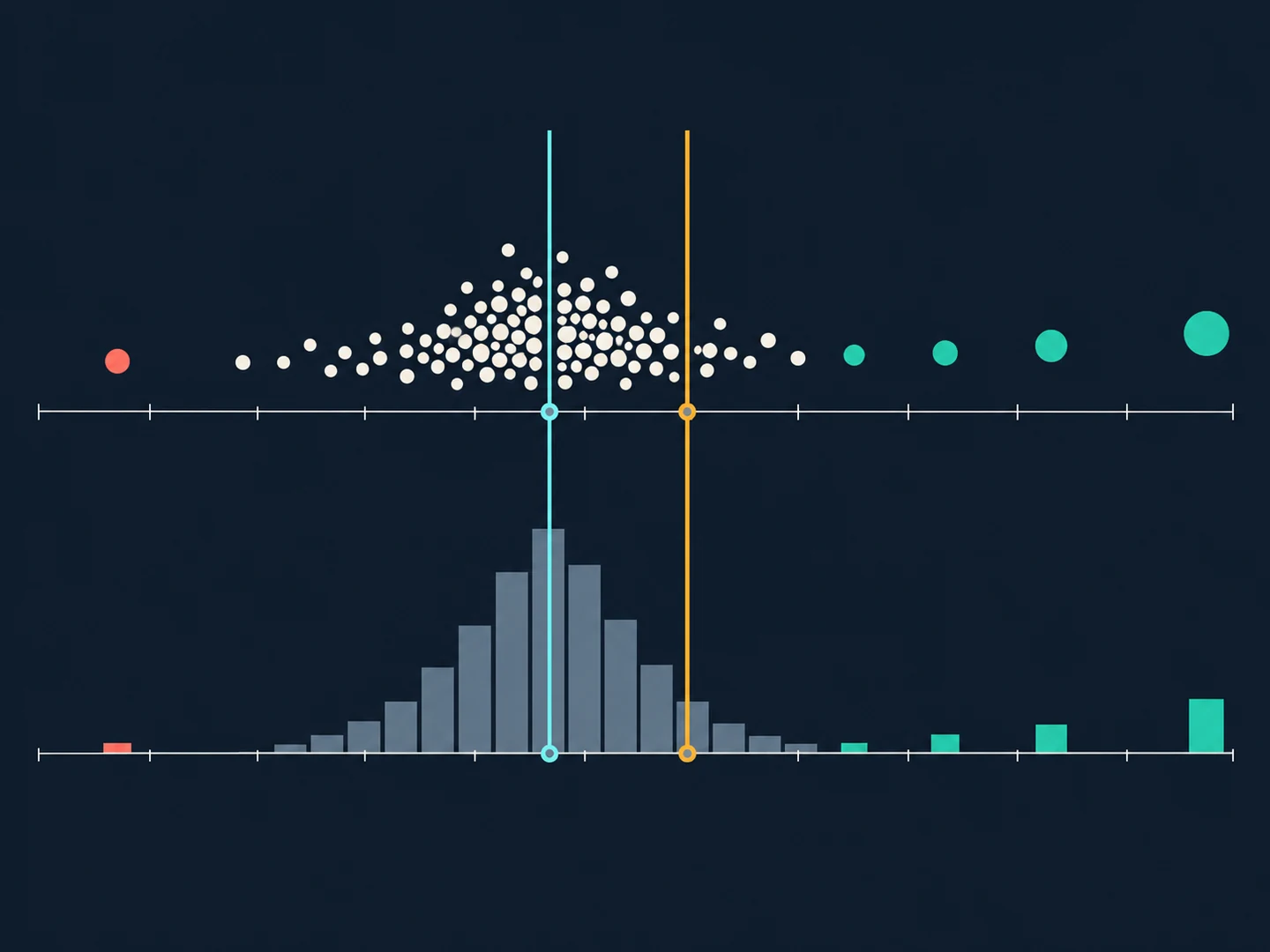
Do not invent a probability or cause when the record cannot support one. The journal is most useful when it preserves the uncertainty rather than hiding it behind a neat category. If the entry cannot yet distinguish two explanations, mark that limitation and decide what additional observation would be needed in a later exercise.
Avoid the counterfactual trap
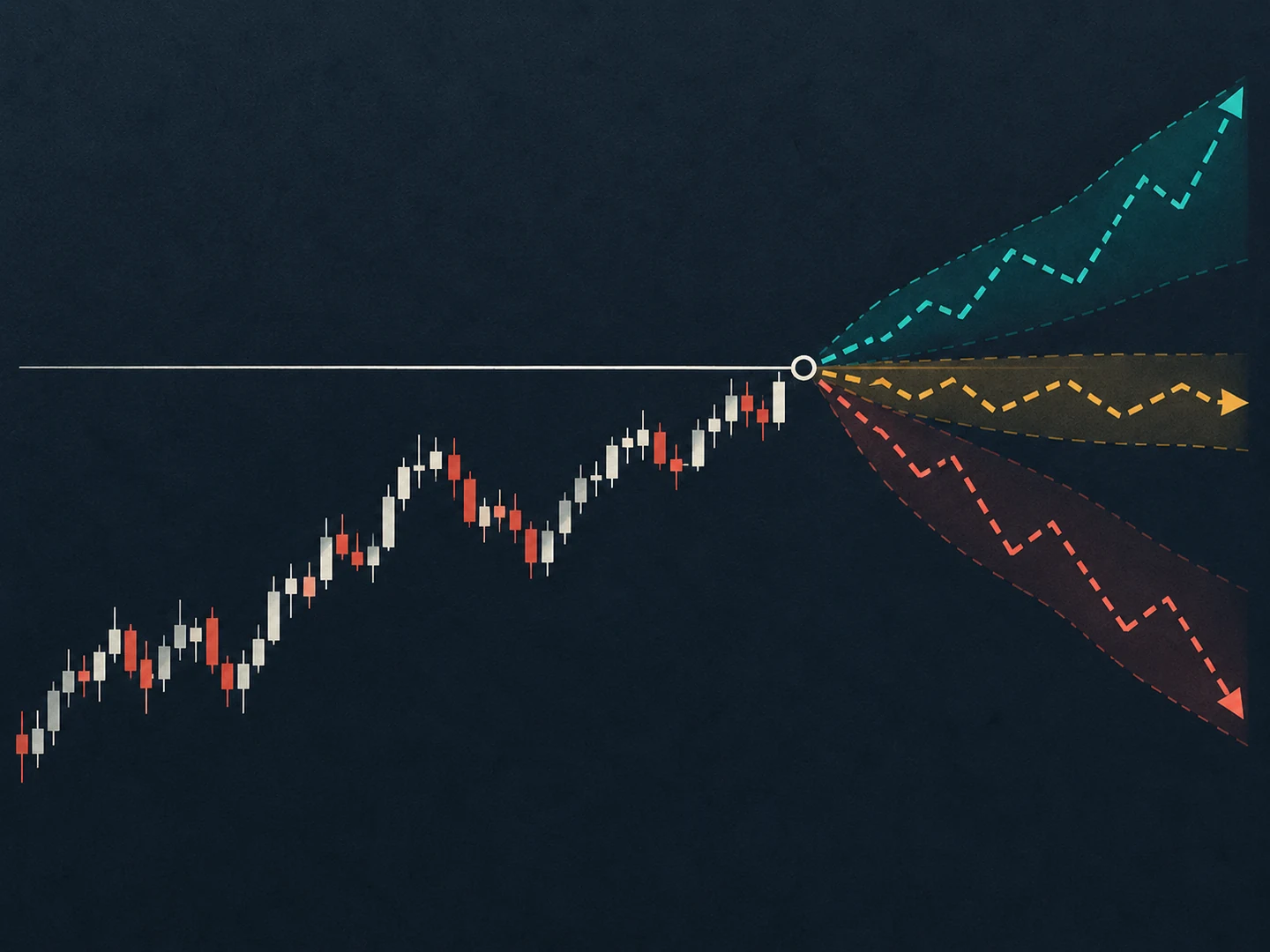
After a session ends, the completed chart invites the question, what would have happened if I had acted? That question can be useful only if it remains explicitly hypothetical and the rules are frozen. Otherwise, the reviewer may choose an attractive point after seeing the path and construct a new decision that was not available in real time.
A safer review begins with the information visible at the actual decision point. In a practice replay, pause before revealing later bars and write what the plan said then. If an alternate path is examined afterward, label it as a counterfactual analysis and keep it separate from the session record. Never count an imagined result as a completed trade or empirical evidence.
Record attention and readiness without self-diagnosis
A blank activity log may also mean that the market was not watched as planned. The journal can state when observation began and ended, whether attention was interrupted, and which parts of the intended review were completed. Keep the language concrete. A note that the screen was unattended during a period is easier to examine than a broad judgment about motivation or ability.
If the process includes a brief readiness check, treat it as a description of the session rather than a test of personal suitability. A note about fatigue, distraction, or time pressure is contextual information, not a diagnosis. Avoid turning one entry into a permanent conclusion about behavior. The goal is to understand what the record can explain and what it cannot.
Use a compact no-trade template
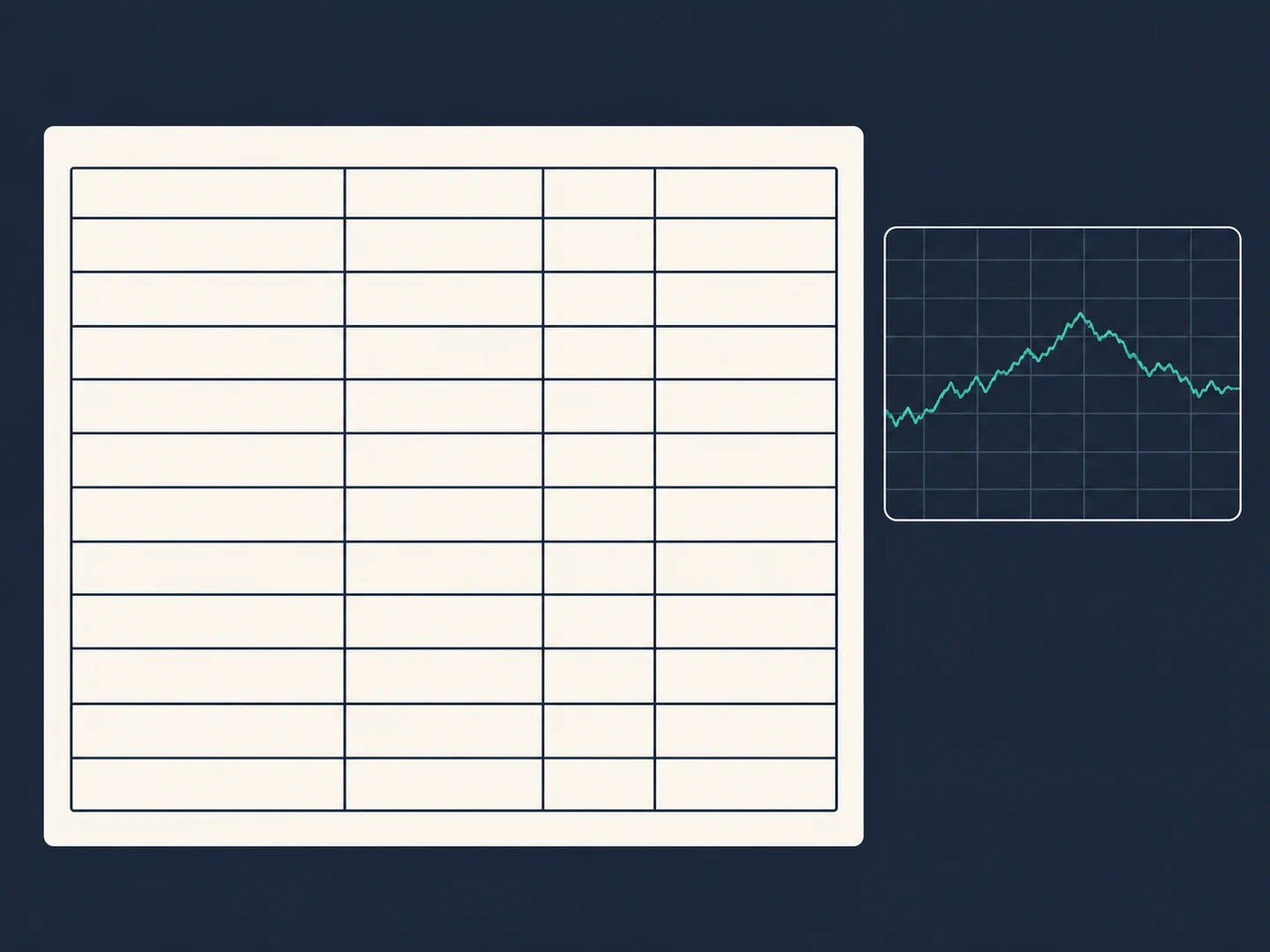
A template should be short enough to complete consistently and specific enough to reconstruct the session. The following fields can be adapted to an educational journal. Not every field will apply on every day; an explicit not observed or not applicable is more informative than a guessed answer.
- Context and coverage: what period was observed, and was the observation complete?
- Plan version and review question: which written rules were active?
- Evidence at the time: what was visible, and what was not yet known?
- No-trade reason: absent condition, ambiguity, interruption, plan limit, or another stated reason.
- Next review question: what single uncertainty could the record help clarify?
Treat empty sessions as part of the sample
If a journal stores only sessions that produced trades, later analysis begins with a selected subset. It becomes difficult to ask how often a condition was absent, how often the process was interrupted, or whether activity clustered around particular contexts. No-trade entries preserve the denominator of the practice process, even though they are not trade outcomes.
That does not mean every no-trade session needs a long essay. A concise, consistent record is often better than a detailed story written only when someone feels regret. Review entries together with the plan and source data, retain contradictory examples, and revise the template only when a field repeatedly fails to capture something important.
Sources and further reading
- Step 5. Keep a Trade LogCME Group