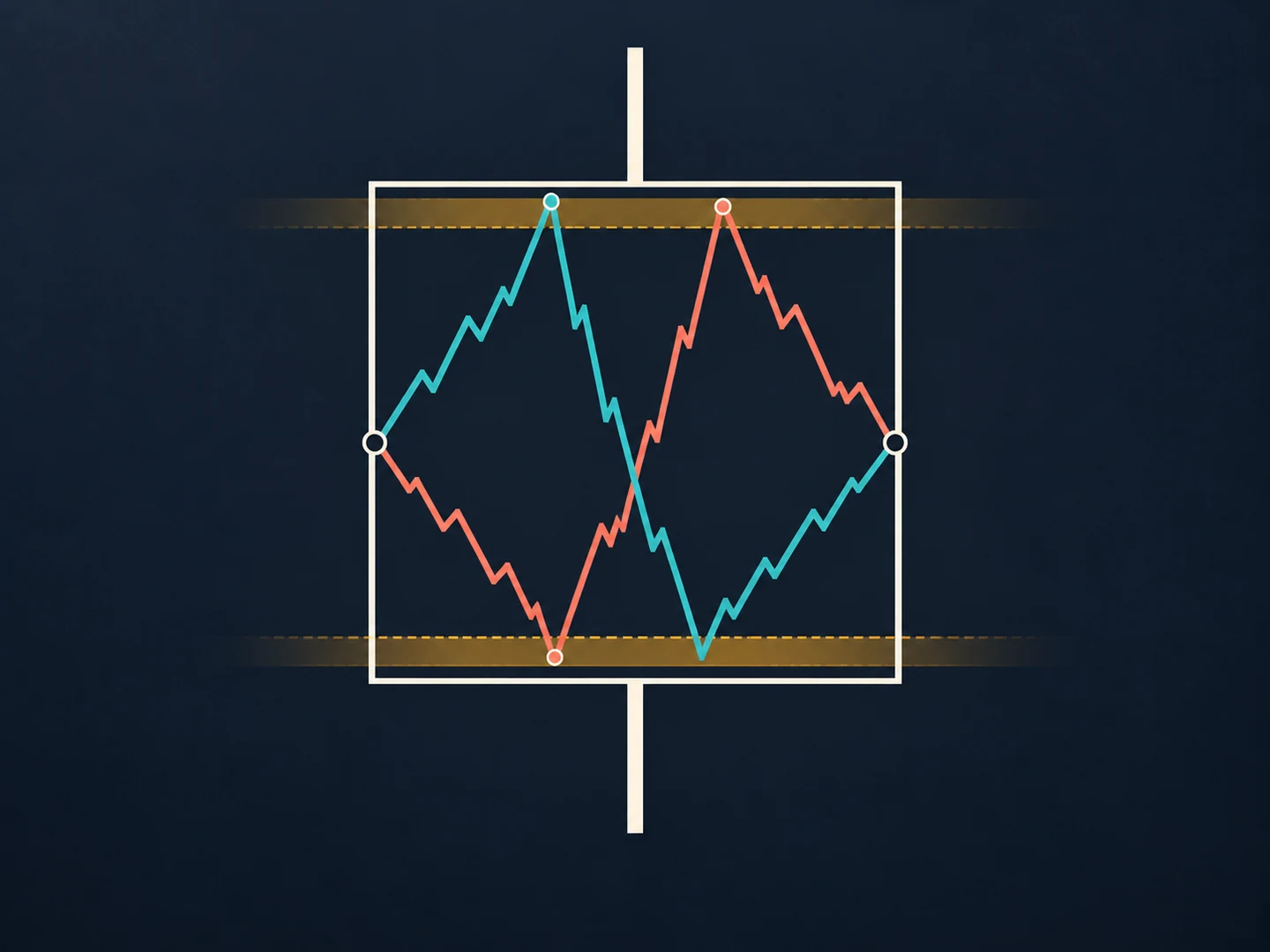
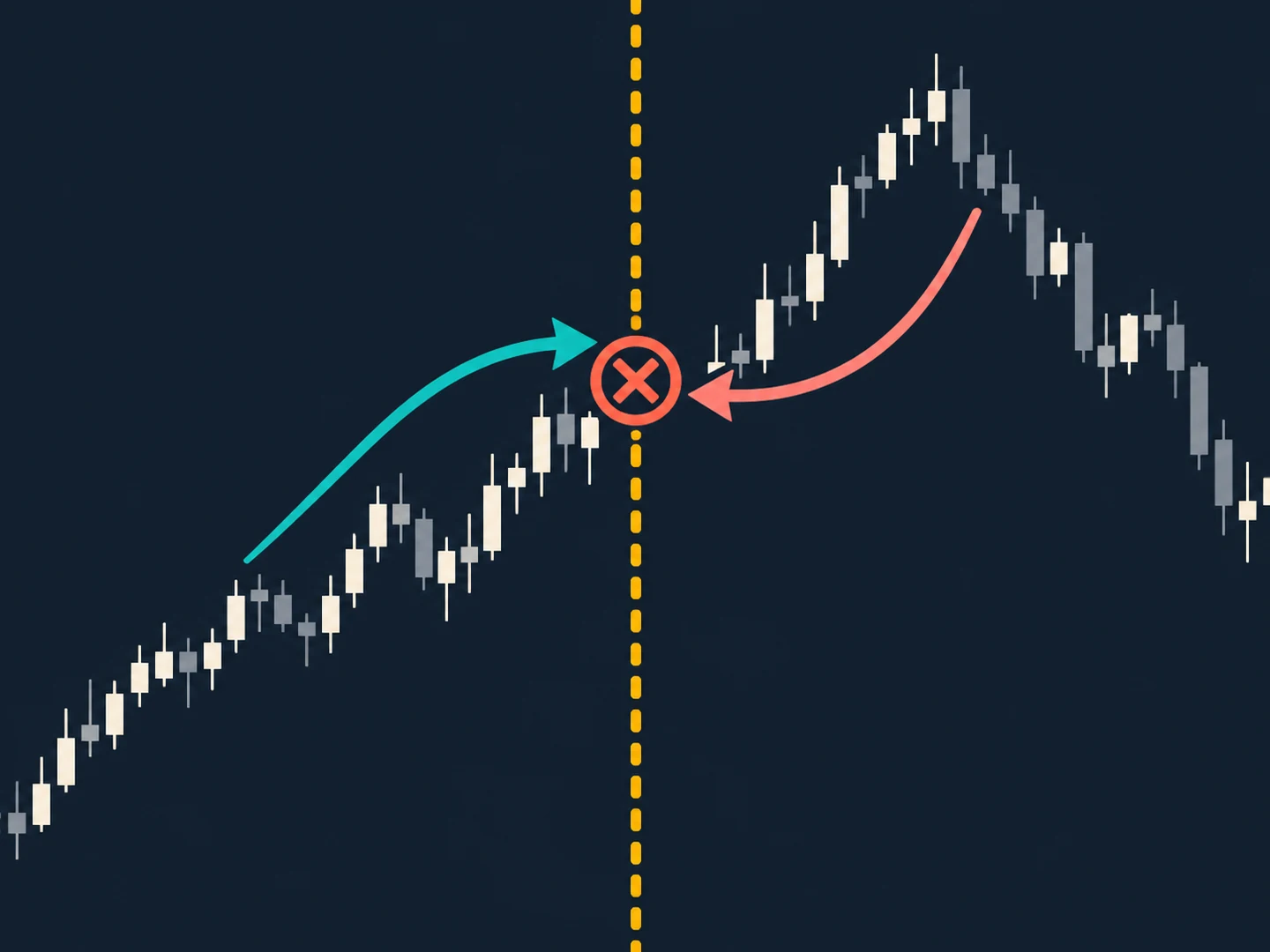
When One Candle Touches Both Stop and Target
An OHLC bar can show that both exit levels were reached without revealing which came first. See why a backtest must make that missing path explicit.
DayTradeDrill.com · Blog
Learn by examining assumptions, replaying historical scenarios, and reviewing decisions. Every article is educational and does not predict markets or recommend trades.
An OHLC bar can show that both exit levels were reached without revealing which came first. See why a backtest must make that missing path explicit.

Stress tests explore a defined set of adverse conditions. Learn what they can reveal about vulnerabilities, why assumptions matter, and why a result is not a forecast.
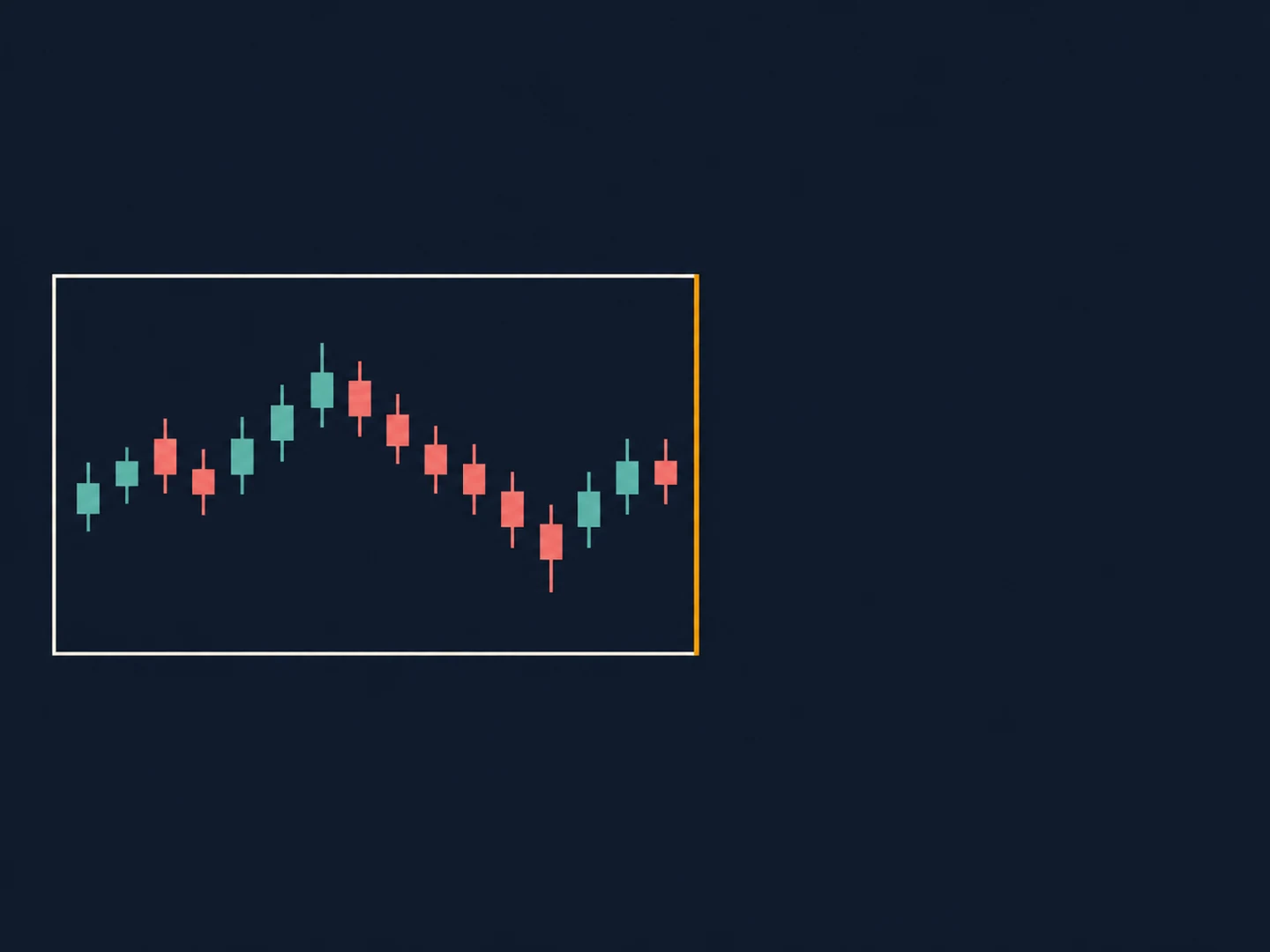
A plan can be clear about its conditions and still become stale. A simple time boundary shows when those conditions need a fresh review.
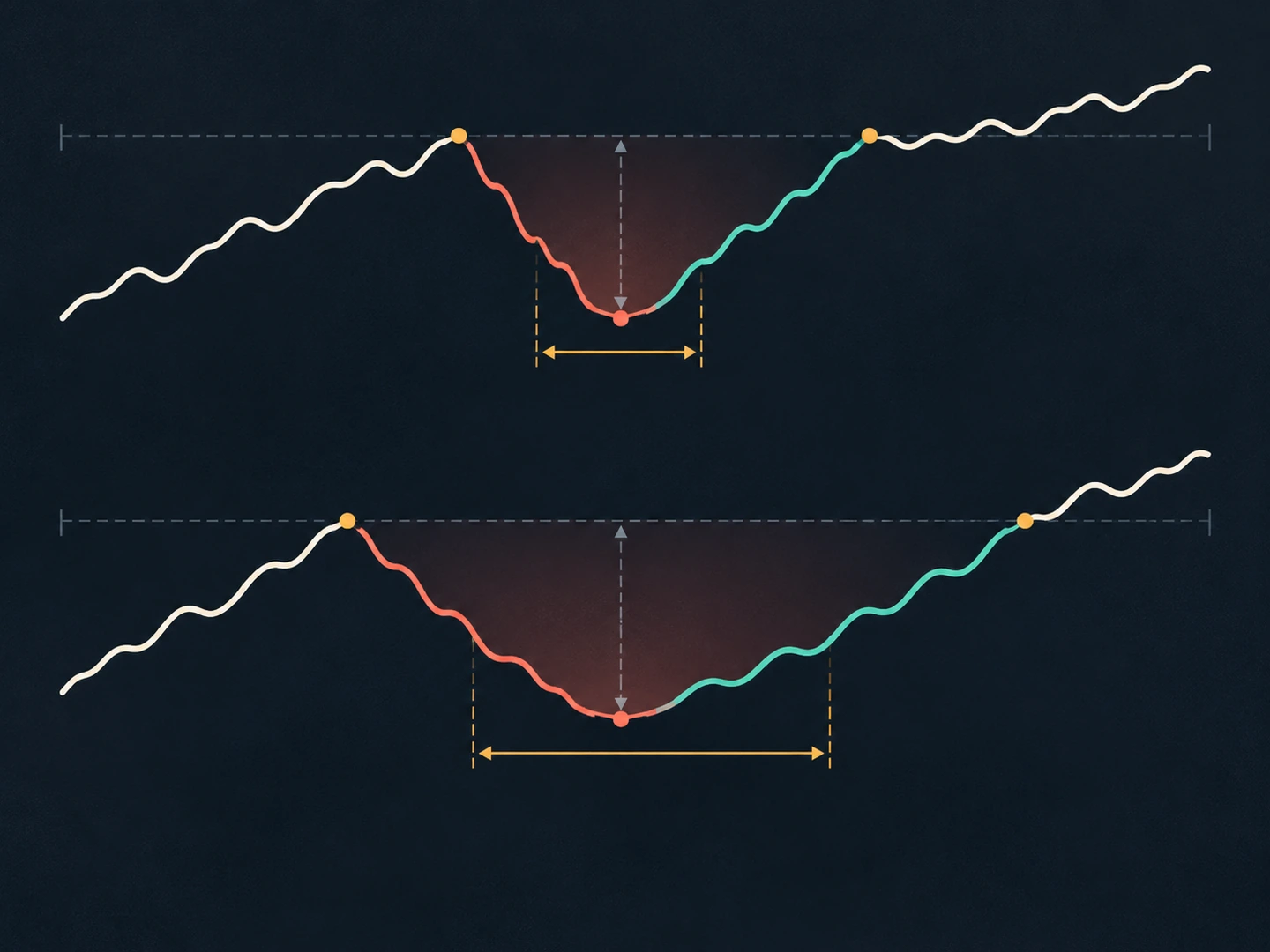
Maximum drawdown records the deepest fall from a prior high, but not how long a series stays below it. Learn how to define and compare both measures without treating either as a forecast.

Action can feel easier to defend than waiting, even when the evidence is unclear. Learn how to review both choices without treating activity as proof of skill.
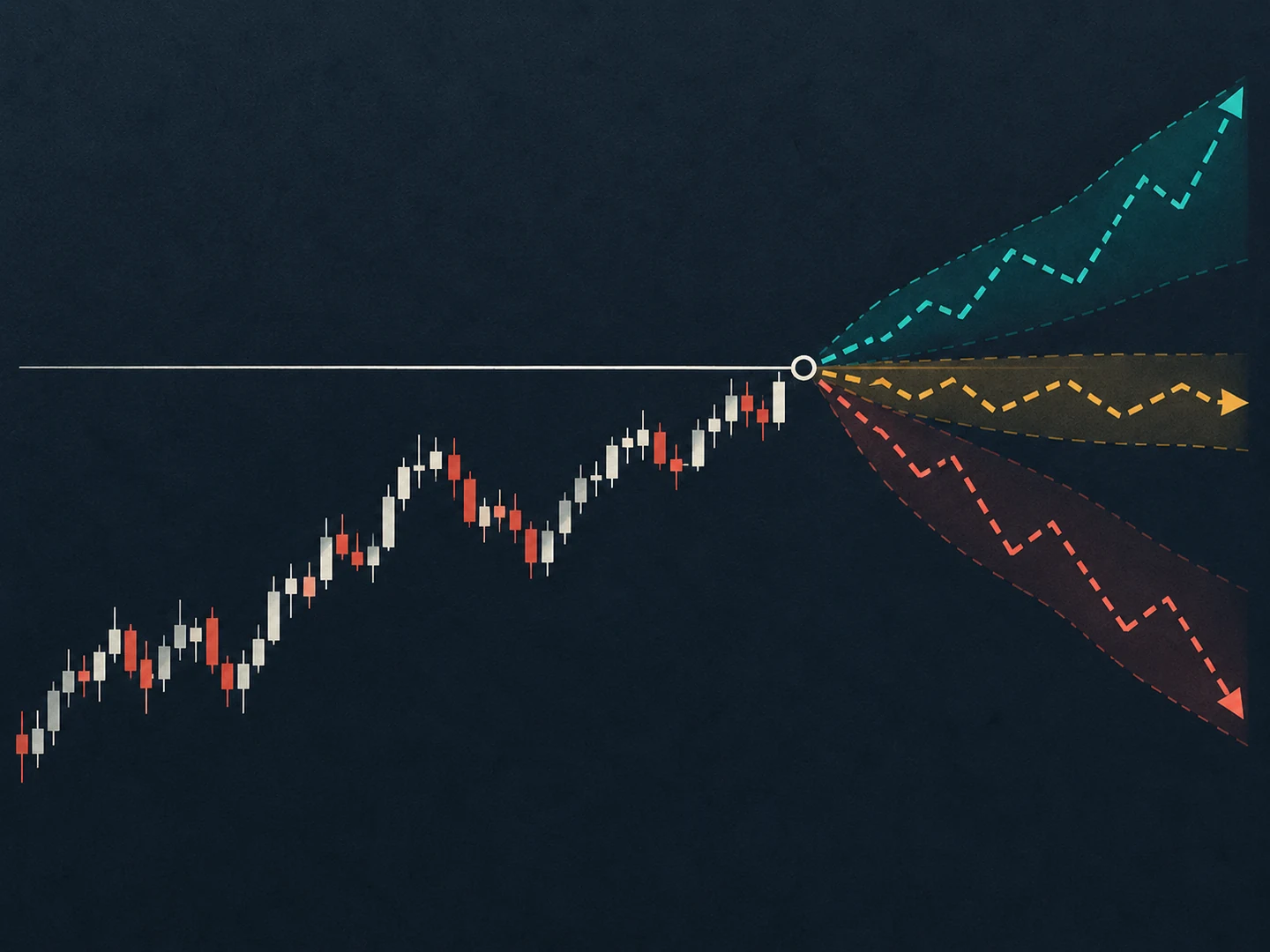
A conditional plan records what observations would matter, what would invalidate an idea, and when no action is the honest outcome.
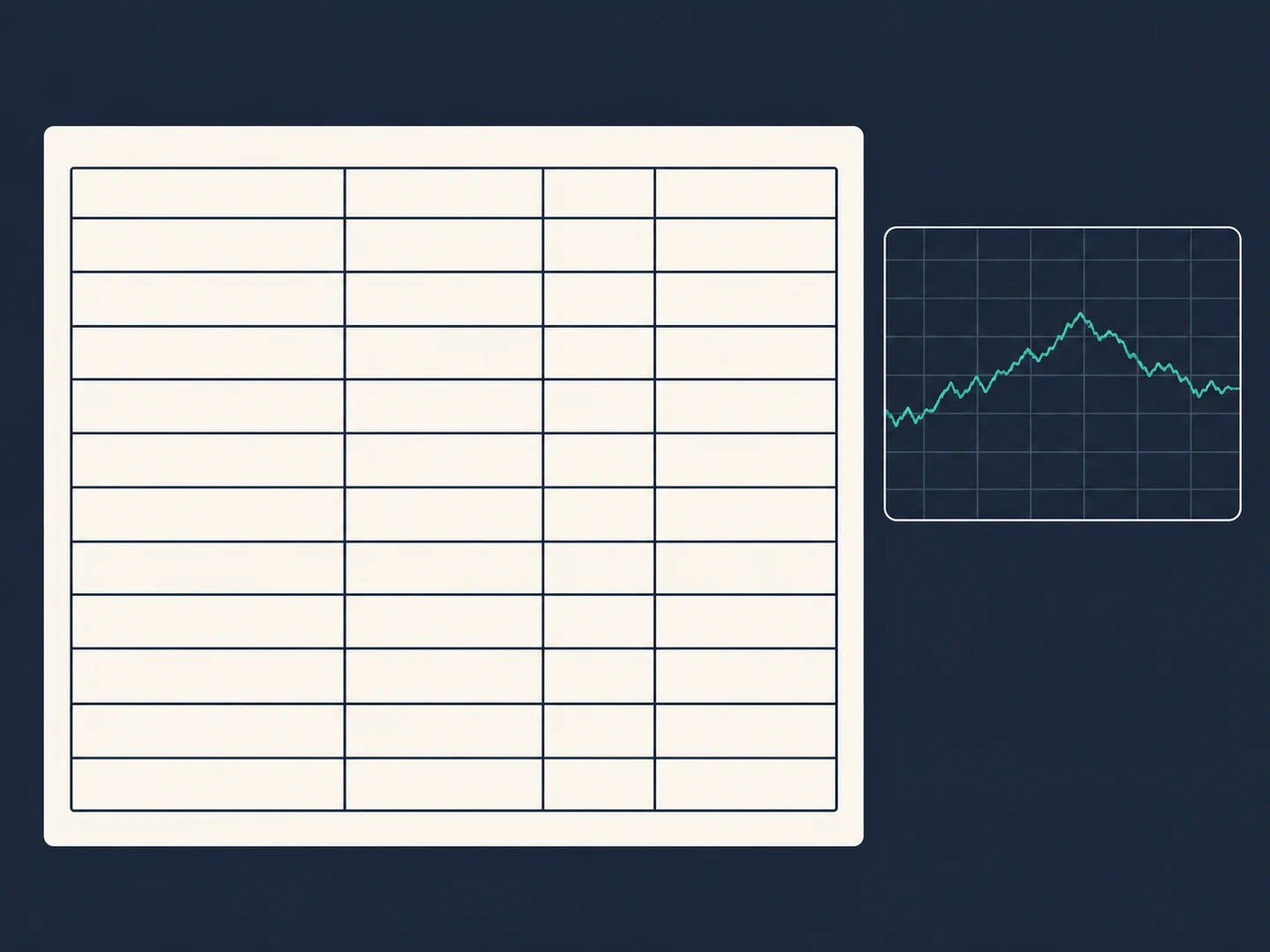
A no-trade session can reveal whether a plan was clear, a condition was absent, or observation was incomplete.
A historical test can look convincing when timestamps, labels, revisions, or research choices quietly reveal information too early.
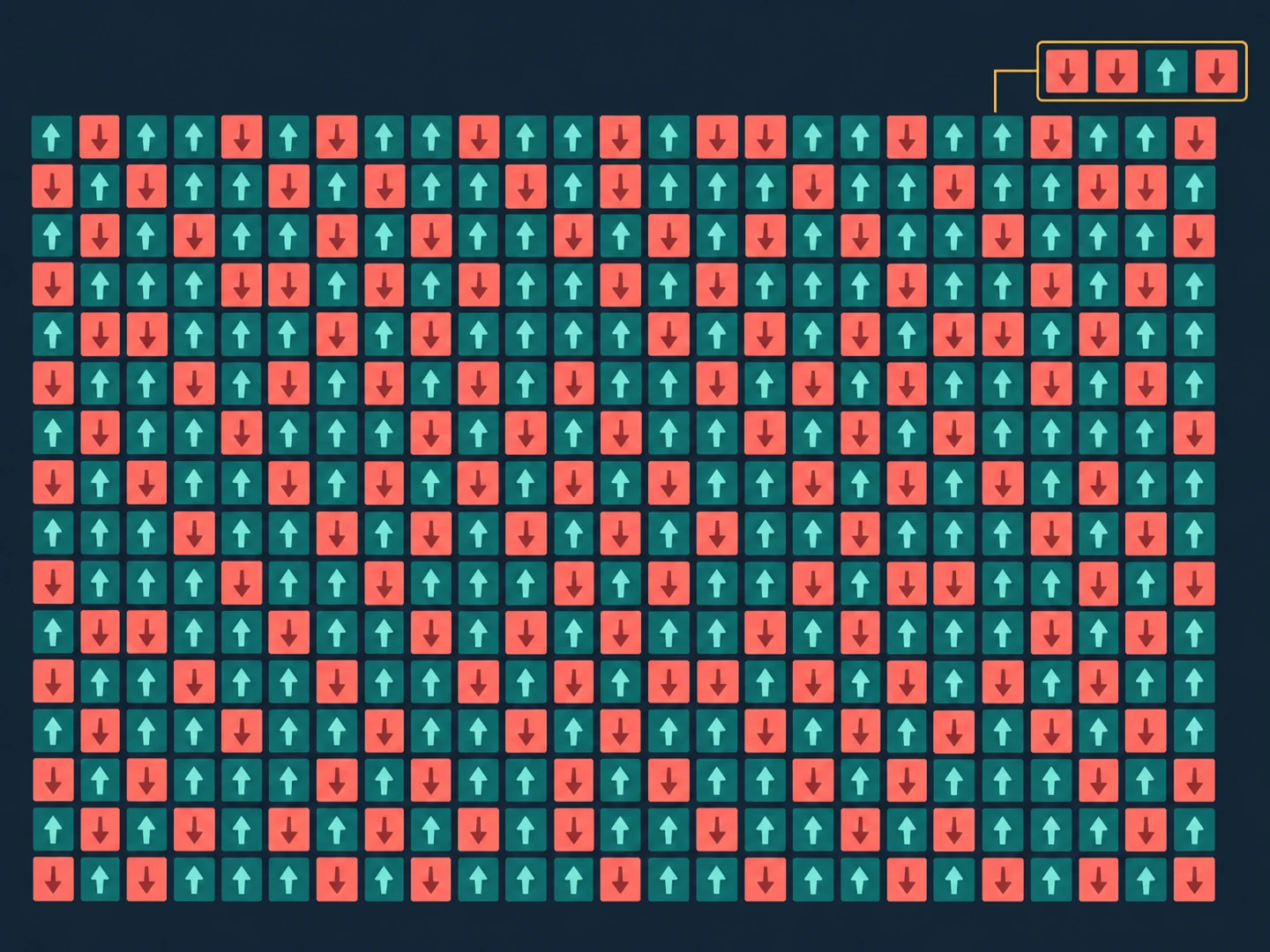
Recent wins and losses can dominate attention, but a vivid streak is not enough to distinguish noise, process change, and a real pattern.

A portfolio's combined variability depends on how exposures move together, where they concentrate, and how assumptions behave under stress.
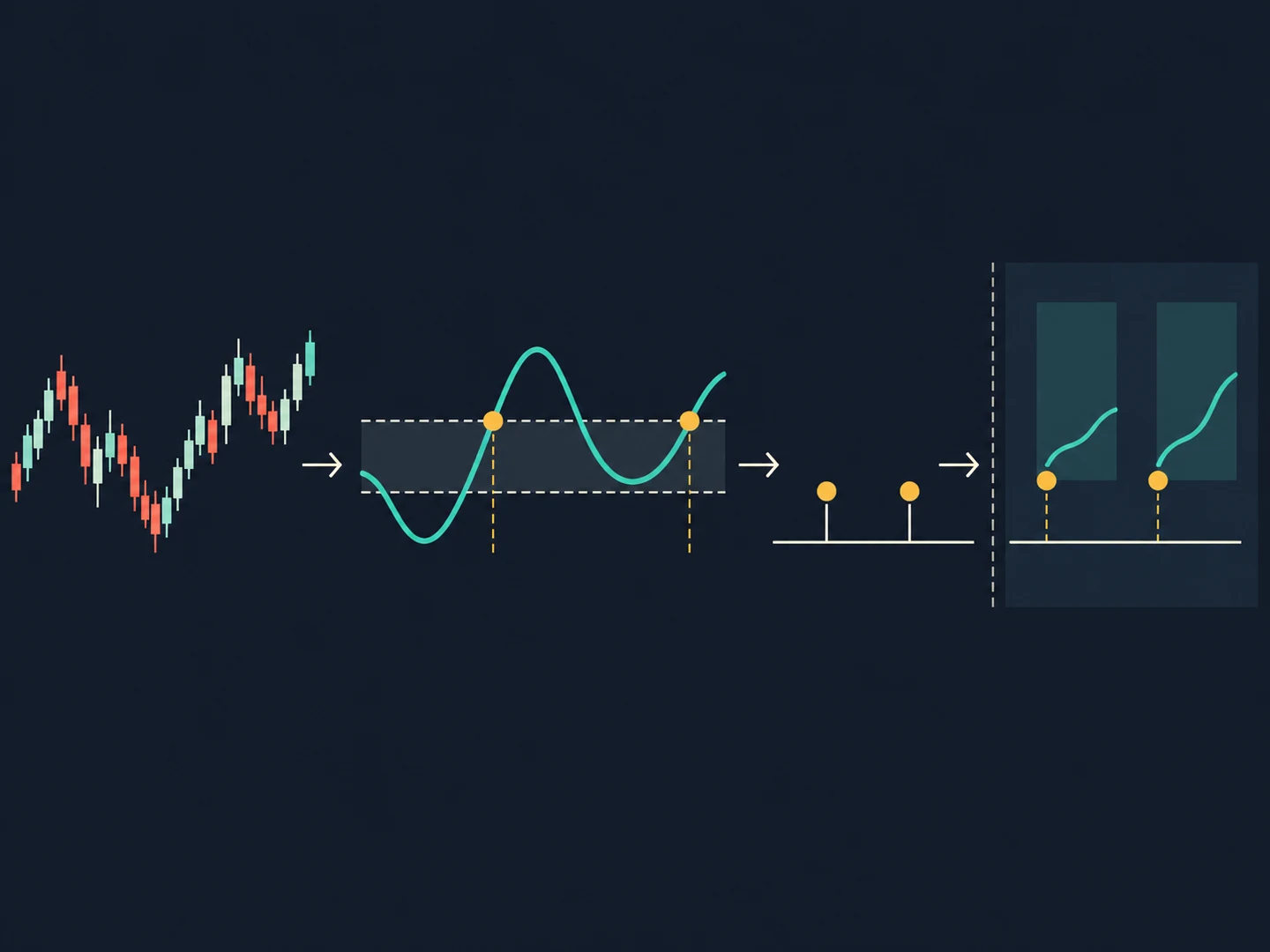
An indicator becomes researchable only after its inputs, timing, threshold, and decision logic are made explicit.
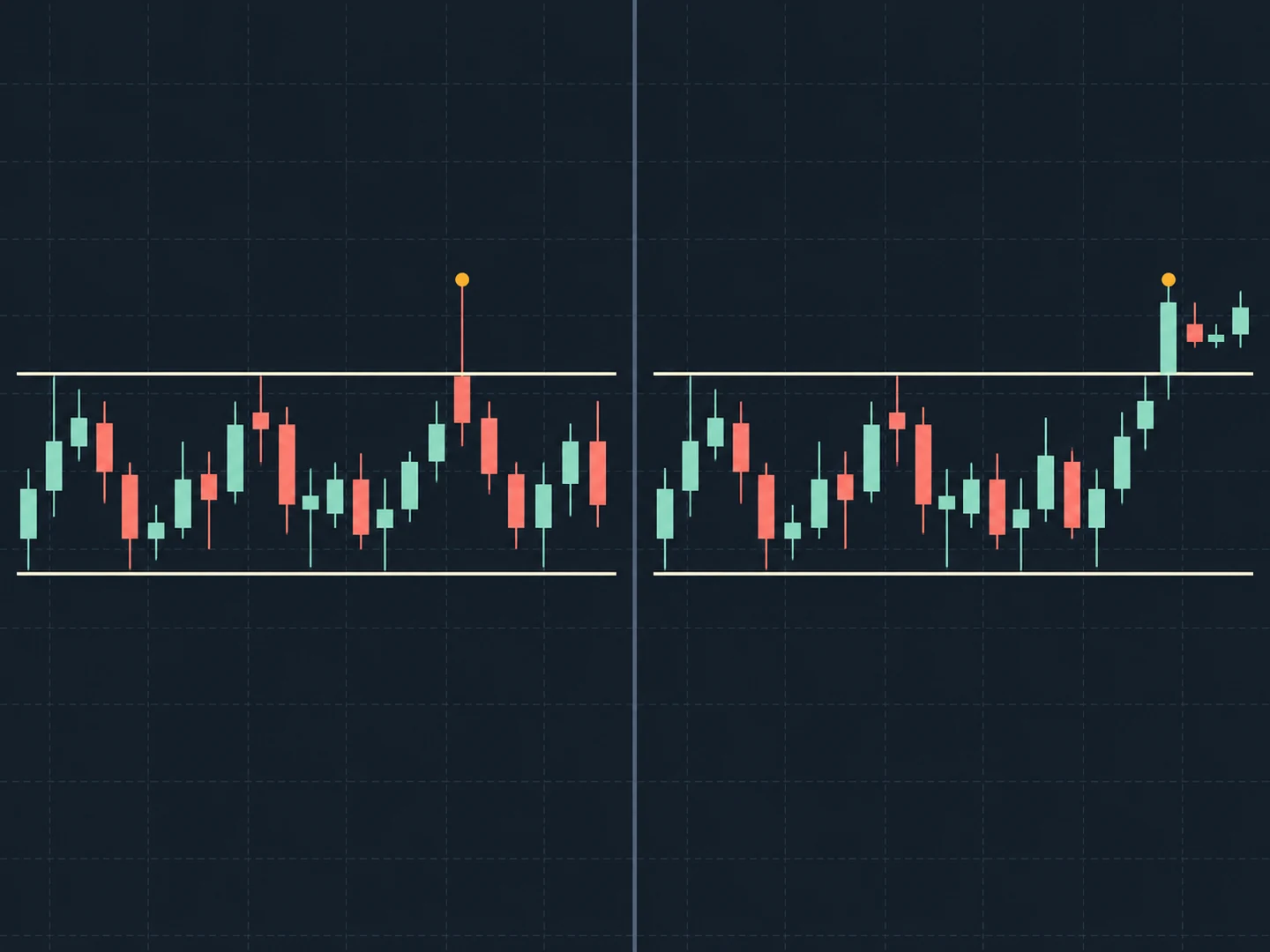
A chart label becomes useful only when the boundary, confirmation timing, and failure conditions are defined before reviewing outcomes.
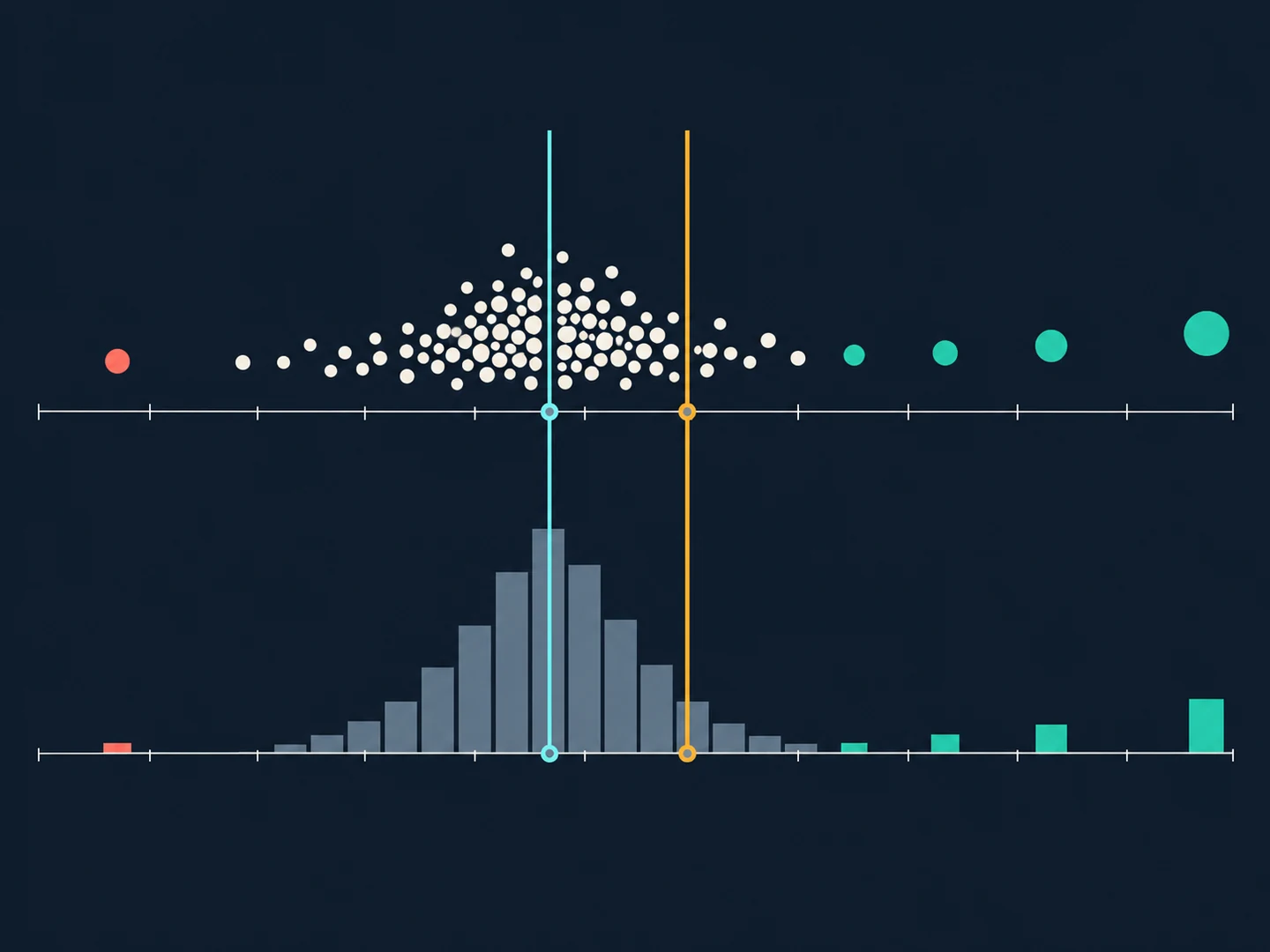
A single average can conceal skew, outliers, uneven samples, and the difference between a descriptive statistic and a decision claim.
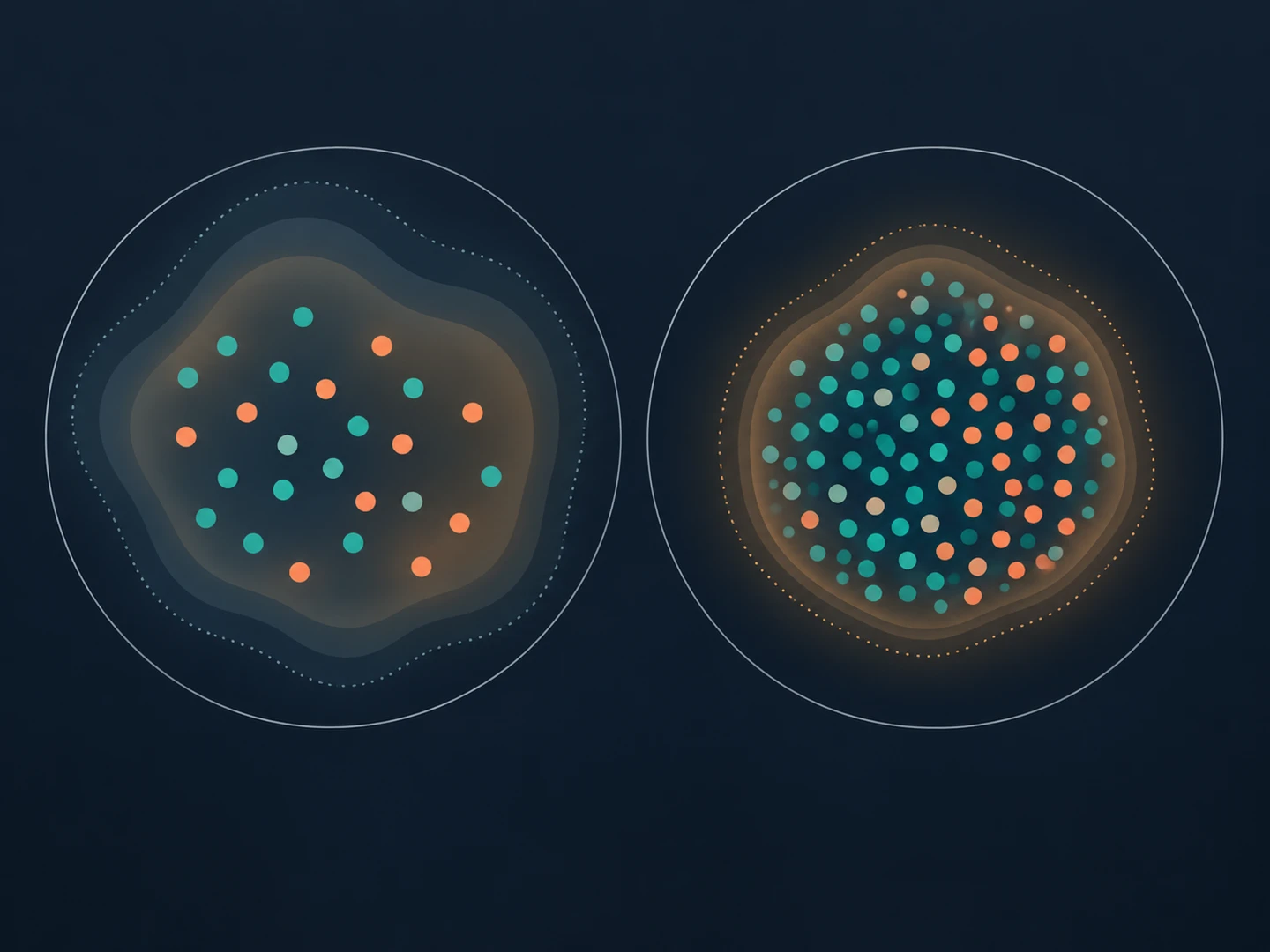
A win rate compresses observed outcomes into one fraction. Learn how its denominator, sample size, and assumptions shape what that number can support.
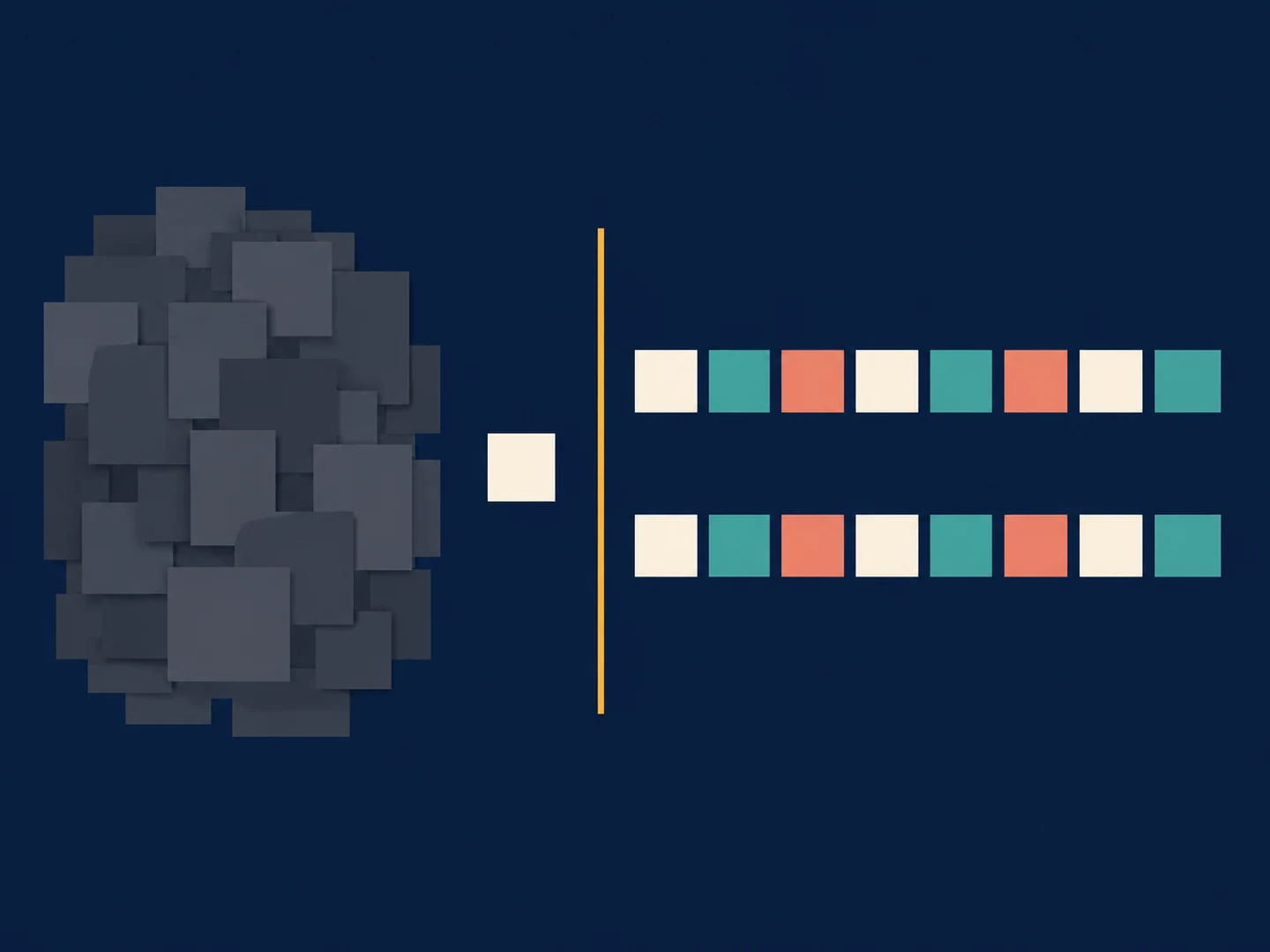
After hours of testing, another round can feel easier than stopping. Learn to separate unrecoverable effort from useful work products and judge the next step on what it can establish.
Fees, spread, and slippage can change a backtest's conclusion. Learn how to model each cost once, compare assumptions fairly, and keep the result in perspective.