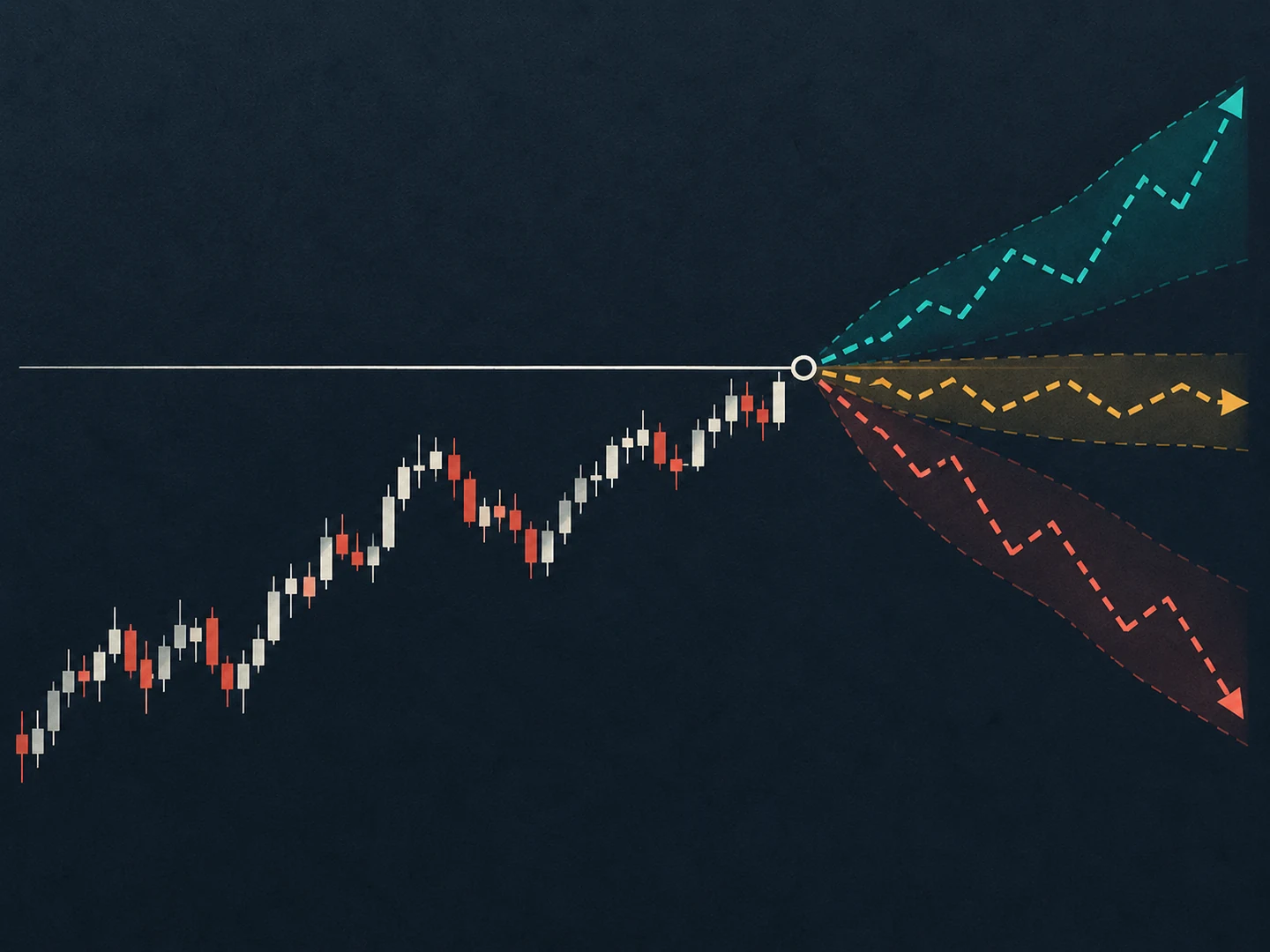
Most trading plans are good at naming what someone is watching. Fewer say how long the note is meant to stay useful. The omission seems harmless until a plan written for one session is carried into another, or an old chart idea is read again after the market, data, or schedule has changed.
A plan needs an expiry rule. It does not have to guess what price will do. It needs to say when its current description stops applying without a fresh review. Think of the boundary as a limit on the plan’s context, not a limit on the market.
When does a trading plan expire, even if it does not say so?
People often write time into a plan without noticing. Phrases such as “during the first hour” or “through this session” quietly answer a basic question: how long should someone treat these conditions as current? If the note omits any horizon, a later reader has to invent one. That is where a plan can drift from a record into a memory.
An expiry rule makes the time assumption visible. CME Group’s trade-plan course describes a plan as a working document and includes a trader log among its components. That is a useful frame: a working document can be revisited, and a log can record what changed, without pretending the original note covered every later session. The boundary itself is a process choice, not a claim about what the market will do.
Three boundaries that make a plan easier to review
There is no universal clock that fits every plan. A research exercise, a session-specific observation, and a longer-term review may each need a different horizon. The practical test is simpler: could another reader identify the boundary from the written note without asking what its author meant? A few common forms are:
- A clock boundary: name the date, time, or session when the note stops being current. Use the same convention throughout the exercise, especially when data and local session times differ.
- An event boundary: say whether the plan expires after a defined observation has occurred. If the question is about one occurrence, do not silently reuse the same note for a second one.
- A context boundary: identify a change that requires a review, such as a different data source, instrument, session definition, or observation interval. The change is a prompt to check the assumptions; it does not automatically prove the plan is wrong.
- A combined boundary: use one main limit and one review trigger. For example, a note may be scoped to one named session and also require a pause if the underlying data are incomplete.
Keep the rule tied to the question. If it takes a paragraph of exceptions to explain when the note expires, it may be mixing several plans together. Start with the smallest horizon that makes the research or practice question understandable, then add a trigger only when it resolves a real ambiguity.
Expiry and invalidation are different
Expiry is a time fence: the note has reached the end of the period it was written to describe. Invalidation is a condition fence: an observation specified in advance means the setup no longer fits the plan. Both can make a note inactive, but they answer different questions.
Suppose a written exercise covers one session and says what observation it is studying. If the session ends first, the plan has expired without that observation. If the observation happens but a prewritten prerequisite is absent, the scenario may be invalidated while the session is still in progress. Keeping these labels separate helps a reviewer tell “the clock ran out” from “the condition did not hold.”
A hypothetical session, written two ways
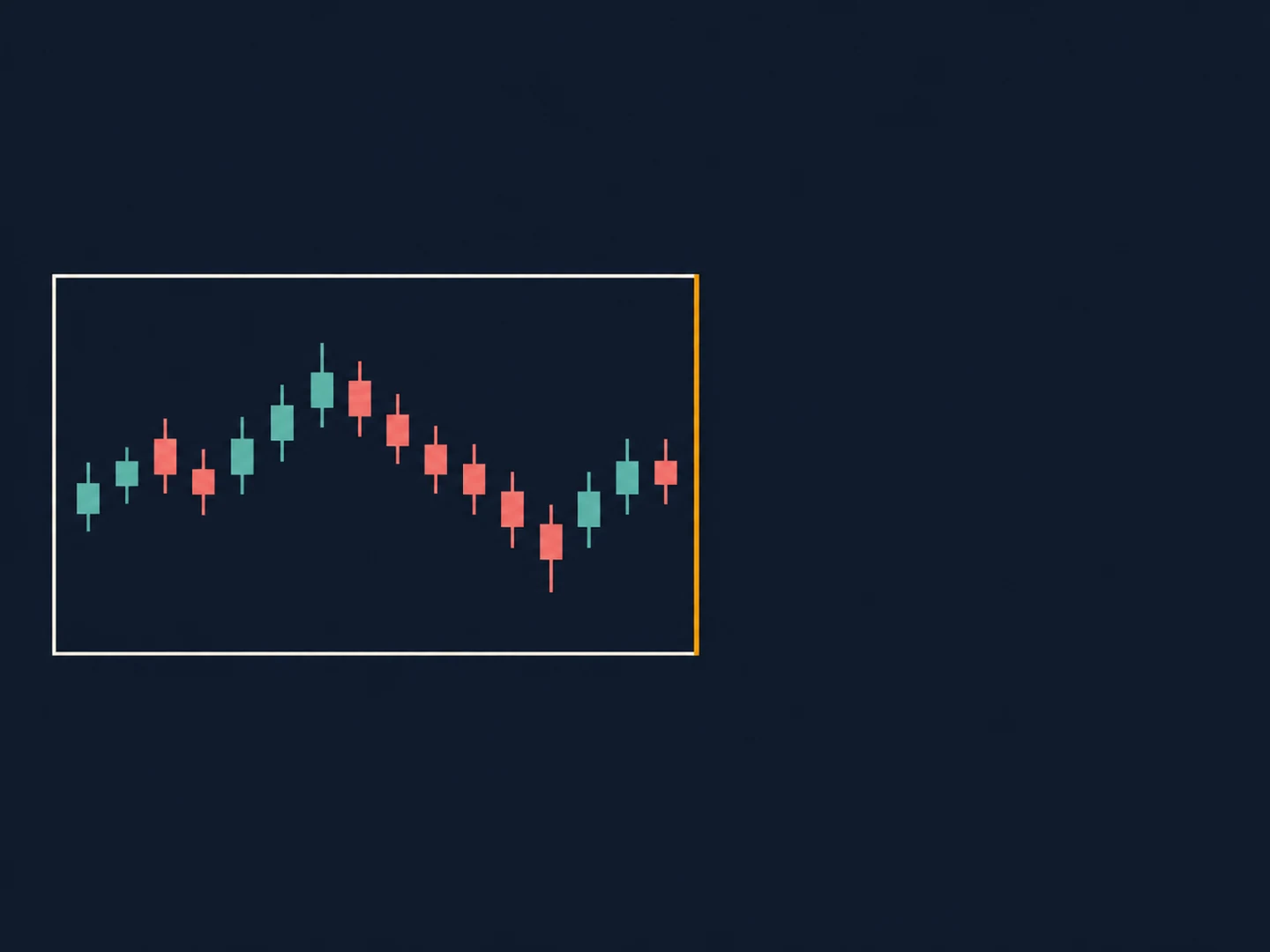
Consider a hypothetical practice note limited to one named session. It asks the reviewer to watch for a clearly defined chart condition and record whether it appears before the session ends. No instrument, live setup, or trade recommendation is implied; the example is only about the note’s scope.
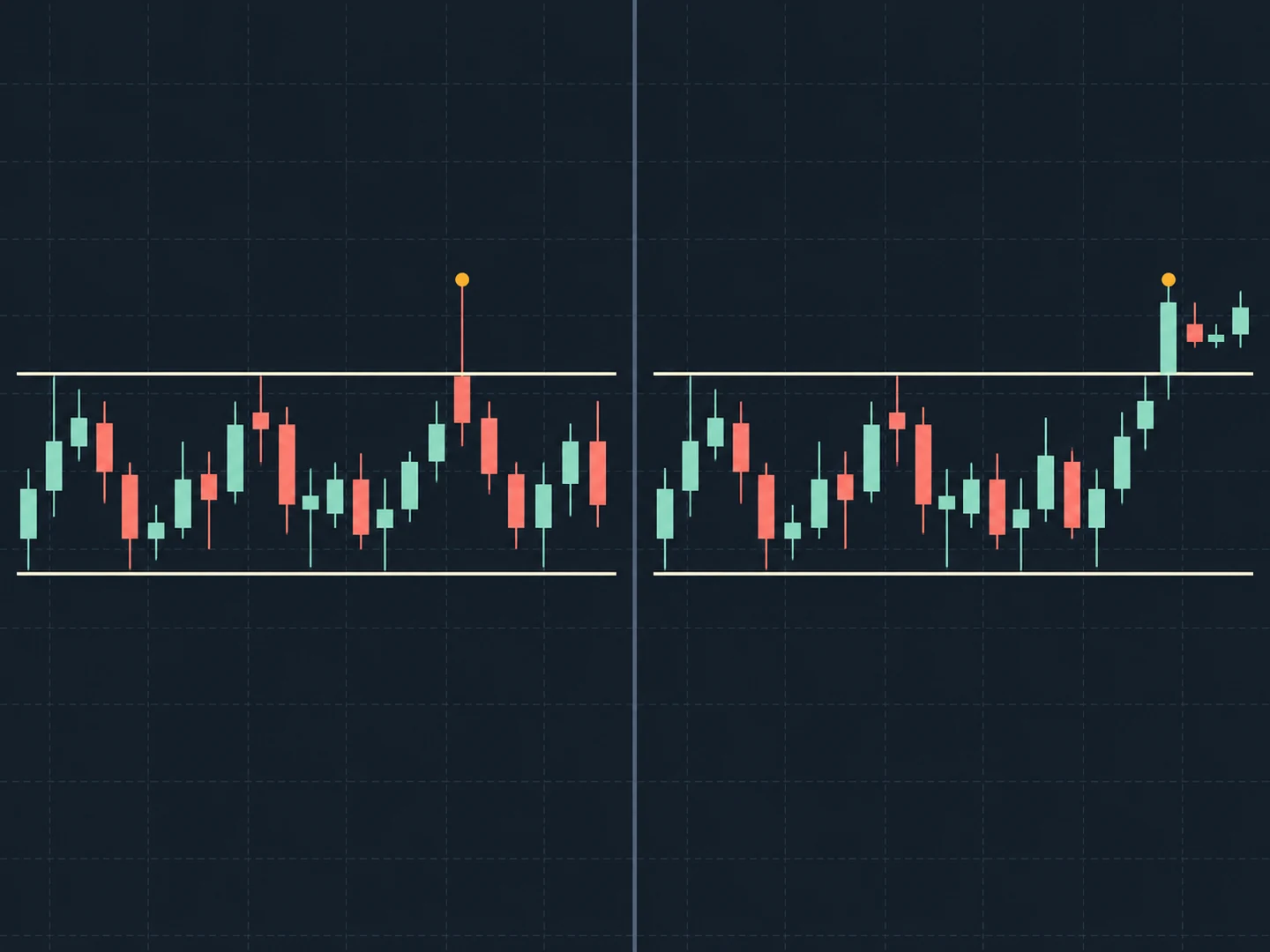
Without an expiry boundary, a blank result can be carried into the next session as if the same question were still open. The reviewer may then change the observation interval, reinterpret the condition, or rely on details that were not part of the original note. With a boundary, the first record can simply say that the defined observation did not occur within its stated window. A later session requires a fresh check of the context and a new record.
That is not needless paperwork. It protects the meaning of the first exercise. If the rule changes after the window closes, the revised version is a different question. Keeping both notes makes it possible to see what was known when each one was written, rather than letting a later edit make the original plan look more precise than it was.
Review before carrying a note forward
A passed boundary does not mean every old plan must be discarded. It means the plan should not renew itself silently. Before reusing a note, check whether the facts it depends on are still the facts in front of you. A short review can cover:
- The time and session convention used in the original note.
- The data source, observation interval, and prerequisites the note assumes.
- What changed after the stated boundary, including missing or ambiguous information.
- Whether the next use is a continuation of the same question or a new version that needs its own record.
If nothing material changed, the review may take only a moment. Record that conclusion and the reason. If something did change, write the new condition before looking at the end of the example. This makes the revision traceable and reduces the temptation to retrofit a rule around a visible outcome.
A session with no qualifying event still belongs in the log
An expired plan does not need a dramatic ending. Perhaps the defined condition never appeared. Perhaps part of the session was missing, or the chart could not be classified consistently. Those are different outcomes, and a useful journal keeps them different instead of folding them into “nothing happened.”
Record the reason the note closed: the time window ended, the condition was absent, the evidence was ambiguous, or the session was not fully observed. A no-trade or no-event record is not proof that a plan worked or failed. It is part of the sample and helps explain what the process actually examined. For a related journaling approach, see “What to record in a session with no trade.”
Write the expiry rule in one plain sentence
A boundary should be easy to find while the exercise is underway. One sentence can name the horizon, what ends it, and what the reviewer should do next. For example: “This note applies through the stated session; after it ends, check the data and conditions again before using the idea in a new session.” Adapt the wording to the question being studied rather than copying a template blindly.
The point is not to make every plan longer. It is to stop time from becoming an invisible assumption. A small, explicit boundary makes later review fairer: the original note can be judged against the window it actually covered, and any extension can be treated as a new decision about scope.
- See how conditional scenarios make a plan testable
- Record a session with no trade
- Define a chart event before reviewing it
Sources and further reading
- Building a Trade PlanCME Group