The sunk-cost problem is easy to recognize after a decision is over. It is harder to notice in a folder of revised rules, data-cleaning scripts, screenshots, and replay notes. After several weekends spent testing an idea, stopping can feel like admitting that the work was wasted. But another round cannot return those hours. It has to earn its place for a different reason: what could it clarify from here?
That question is a useful way to apply the idea of sunk costs to trading research. It is a prompt for reviewing a process, not a diagnosis of a trader. Studies of sunk-cost effects use varied tasks, and findings about time specifically are mixed. They do not establish that traders as a group keep researching because of hours already invested. The label is a reason to inspect the decision, not proof that continuing is irrational.
How should you weigh past effort against future value?
A sunk cost is an expense that has already happened and cannot be recovered by the choice now in front of you. In a forward-looking comparison, that past expense does not change what the available options can produce from this point onward. The next step can still be worthwhile, but its case has to come from future benefits and costs, not from the fact that a lot has already been spent.
That does not make earlier work worthless. The hours themselves are gone, while some things created during those hours may remain useful: a cleaned dataset, a reusable test harness, a clearer rule definition, or a record of a known failure. Those are present assets. If they lower the cost of a new question or make its answer more informative, that possible value belongs in the current review. It is different from counting the original hours a second time.
So the useful distinction is not continue versus quit. It is past input versus current asset versus future commitment. A project can be continued for a well-defined next test, and it can be paused without declaring the earlier work meaningless. Neither choice becomes sound merely because it preserves a preferred story about the past.
How the trap can enter a research workflow
Research often arrives in small increments. One more filter, one more parameter range, or one more chart review sounds modest on its own. The trouble starts when the reason for the next increment is simply that the previous increments took so much time. A new test can be sensible when it addresses a named limitation. Repeating work without a question that could change the interpretation is a different matter.
The warning phrase is often vague: we are almost there. Almost what? A result that survives a specified data check? A stable definition that another reviewer can apply? A research question answered within known limits? If the finish line moves whenever a result disappoints, a growing project may be accumulating effort without accumulating clearer evidence. A new version of the question may still be legitimate, but it should be recorded as a new version rather than quietly substituted for the old one.
Stopping can also feel unusually costly because it makes the earlier investment visible. Continuing postpones that feeling and offers the possibility of a cleaner answer later. That is one plausible pressure to check for, not a universal explanation. A reviewer cannot infer a psychological bias from persistence alone. The record needs to show whether the next step has a purpose beyond trying to vindicate the previous one.
Do not confuse sunk effort with learning
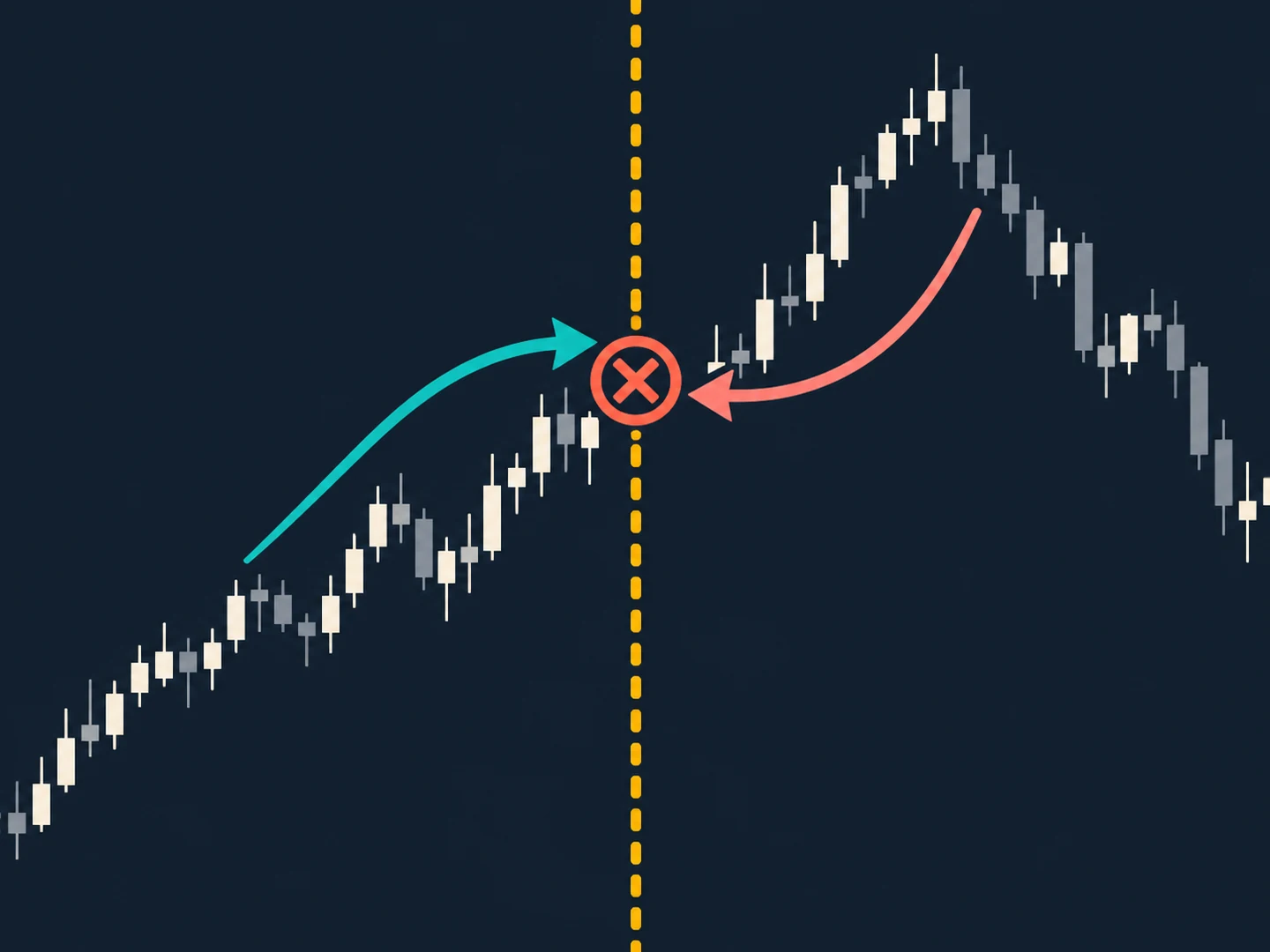
A previous test can produce information that changes the value of the next test. Suppose the review reveals a timestamp error, an unclear event definition, or a data field that was not available at the simulated decision time. Fixing a specific limitation may answer a better-formed question. The reason to do that work is the limitation and the value of the corrected evidence, not the amount of time spent before discovering it. For more on information timing, see the guide to look-ahead bias in backtesting.
The reverse distinction matters too. Time spent does not make a sample representative, repair a flawed comparison, remove selection bias, or validate a rule. A polished report cannot turn an ambiguous test into a conclusive one. Work products can be reused; the strength of a claim still depends on how the evidence was assembled and what the method can support.
A forward-looking audit for the next test
Before adding another round, write a short review note. The aim is not to force a stop or continuation. It is to make the next decision answerable without using past effort as its main evidence.
- State the question. What uncertainty remains, and what observation could meaningfully change the interpretation? If no possible result would change the next step, the test may not yet be defined well enough.
- Separate inputs from assets. Record time and resources already spent as history. List any code, data, definitions, or findings that can still be reused, and include them only for the value they have now.
- Compare future costs. Estimate the additional time, data work, implementation effort, and attention the proposed test will require. Compare those future demands with realistic alternative uses of the same resources.
- Set a review boundary in advance. Name the data check, unresolved limitation, or decision rule that would lead to a pause, an archive, or a clearly scoped follow-up. If the question changes after seeing an outcome, log the revision.
- Keep inconclusive outcomes visible. Missing data, ambiguous classifications, and results that do not separate the alternatives are still findings about the limits of the test. Do not erase them from the research record.
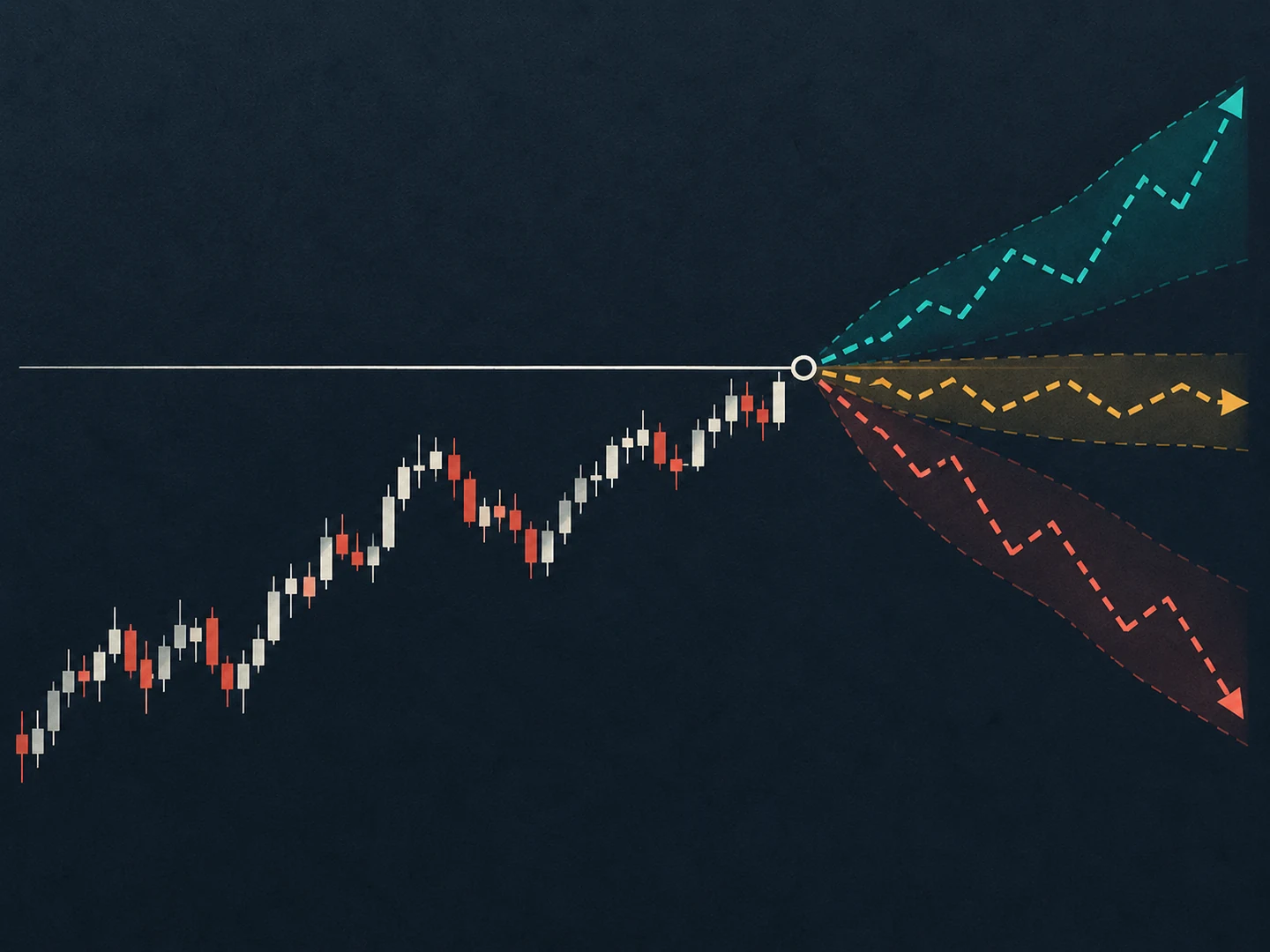
A boundary does not need to be a universal number of hours or tests. There is no general threshold that makes a project worth continuing. The useful commitment is procedural: define what the next piece of work is for before spending more effort, then review it against that purpose. A written plan with conditional scenarios can help make those review points explicit.
A hypothetical example
Imagine a hypothetical researcher who has spent several weekends evaluating an abstract rule set. During a later audit, the researcher finds that one input was assigned to a simulated decision before it would have been available. The earlier hours do not prove that the rule deserves more work, and they do not prove that the rule is useless. They identify a limitation in the existing test.
A narrowly scoped correction could be evaluated because it addresses that limitation. Before running it, the researcher can record what data timing will be changed, what will remain fixed, and what outcomes would still leave the question unresolved. If the cleaned data pipeline can be reused, that is a current asset with possible future value. If the only argument is that too much time has already gone into the original test, the argument points backward rather than explaining the next step.
What research on sunk costs can and cannot say
Arkes and Blumer’s classic 1985 paper examined decisions in which prior investment could affect whether people continued with an option. Later studies asked whether the same pattern appears when the sunk resource is time. Soman’s 2001 experiments reported that prior time investment did not affect choices in the scenarios studied, while Navarro and Fantino’s 2009 experiments found evidence of a sunk-time effect under their tested conditions. The studies use different tasks and measures, so they do not support a simple claim that time always produces the same response as money.
That difference is important here. The available research is not a study of DayTradeDrill users or a test of trading researchers as a group. It does not justify labeling a person biased because a project continued, or disciplined because it stopped. It supports a narrower habit: ask whether the next commitment is being evaluated on what it can do now, and keep that question separate from what has already been invested.
A useful journal can preserve both sides of that review: what earlier work established, what remains reusable, and what a future test is expected to clarify. Recording a no-trade or no-event session is one example of keeping an unremarkable result in view instead of letting only dramatic outcomes shape the story.
Make the next step answer for itself
If the note says the work has gone too far to stop, replace that sentence with two questions: what can be reused today, and what will the next piece of work establish? The first recognizes value that still exists. The second gives future effort a reason of its own.
Past effort is part of the research history, but it is not evidence that the next test will pay off. A careful review may support another bounded test, a pause, or an archive. The answer depends on the question and the evidence available now, not on making the earlier hours look worthwhile.
Sources and further reading
- The psychology of sunk costOrganizational Behavior and Human Decision Processes
- The mental accounting of sunk time costs: why time is not like moneyJournal of Behavioral Decision Making
- The sunk-time effect: An explorationJournal of Behavioral Decision Making